
Okay, let me paint you a picture that still makes me grin from ear to ear. August 2025, Little League World Series in Williamsport. I’m standing behind the dugout with my press credential, watching these kids from North Dakota get ready to bat. Suddenly, this massive chant erupts: “¡Vamos Papi! ¡Vamos Papi!”
Now here’s the thing – this wasn’t some team loaded with kids whose abuelas were cheering from the stands in Spanish. This was a squad that looked like they’d stepped out of a Norman Rockwell painting, led by a freckle-faced kid who probably thought “queso” was just a fancy word for cheese dip. Yet there he was, absolutely belting out this chant with the passion of someone who’d grown up hearing it at Sunday family barbecues in the Bronx.
That moment? That’s when I knew I wasn’t just watching another youth sports trend. I was witnessing something beautiful – Popular culture doing what it does best: taking something authentic and making it everyone’s.
How This Magic Started (And Why I Almost Missed It)
Here’s where I need to come clean about something that still bugs me as a sports journalist. When I first heard “Vamos Papi” echoing through youth tournaments in New Jersey back in 2023, I completely whiffed on recognizing its potential. I thought it was cute regional flavor – you know, Latino kids bringing their culture to the diamond. Filed it away as a nice human interest angle and moved on to covering the “real” stories.
Bro, was I wrong about that one.
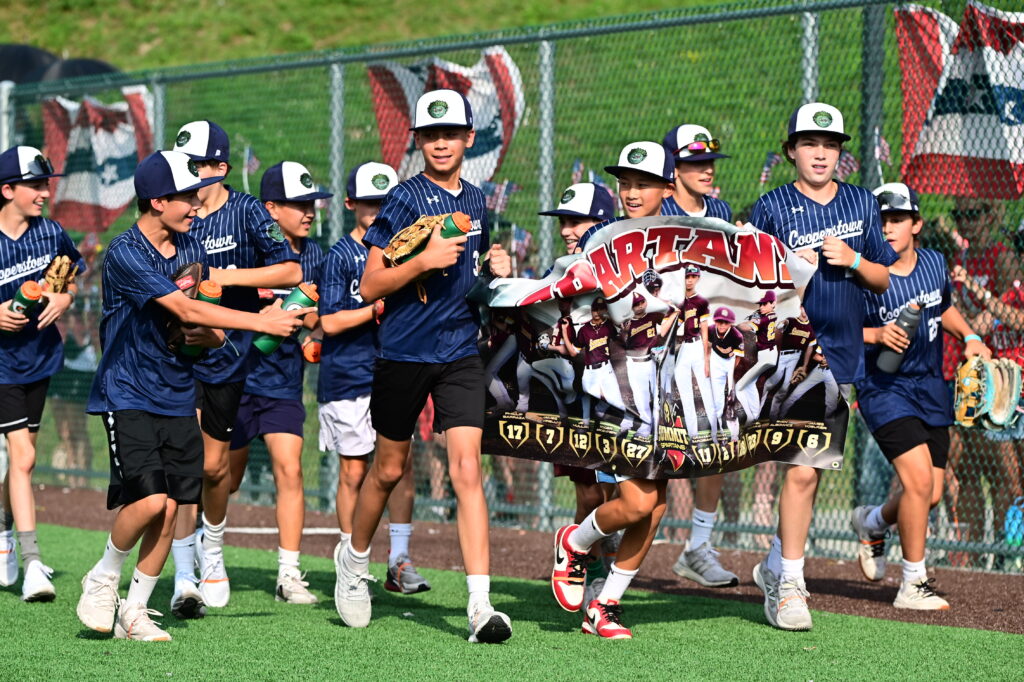
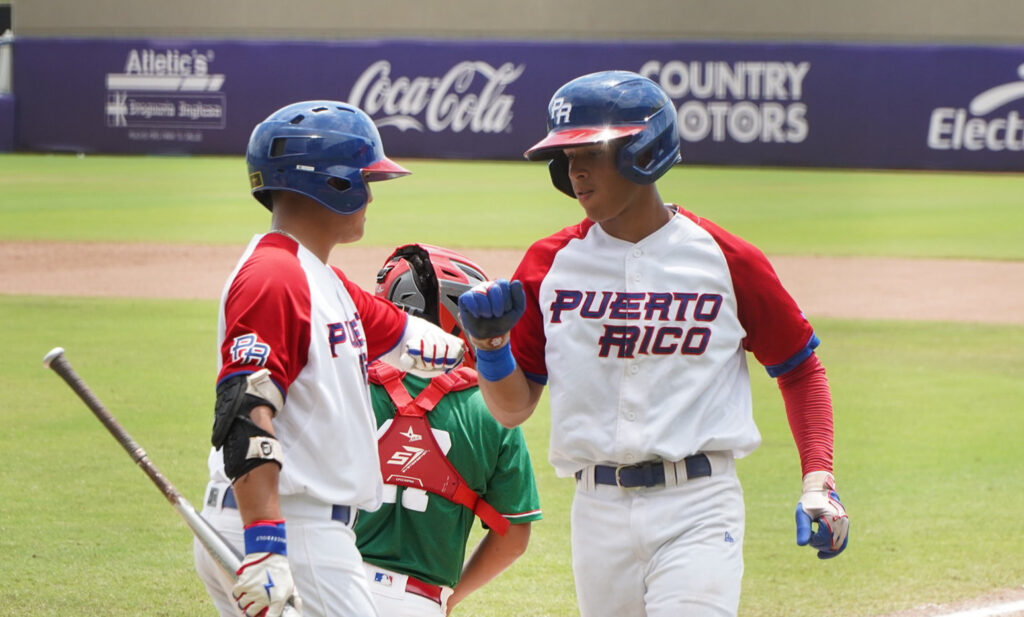
What I was actually witnessing was pure cultural magic happening in real time. Kids from Dominican and Puerto Rican families were sharing something beautiful with their teammates – not because some diversity consultant told them to, but because it felt good and made their teams stronger.
“Vamos Papi” isn’t just “Let’s go, Dad” translated into Spanish. Anyone who’s spent time around Latino baseball culture knows “Papi” carries way more weight than that. It’s love, respect, encouragement, and family all rolled into one word. When teammates chant “Vamos Papi” as their buddy steps into the batter’s box, they’re not just cheering – they’re saying “You’re family, we’ve got your back, now go show them what you’ve got.”
And here’s what made my sports journalist heart sing: this wasn’t manufactured team building or some corporate inclusion initiative. This was kids being kids, sharing what worked, spreading joy through the universal language of competition and camaraderie.
The Media Completely Missed This (Including Yours Truly)
Let me tell you something about our industry that we don’t like to admit: sports media completely struck out on this story for two solid seasons. While we were busy covering recruiting drama and equipment controversies, this incredible example of cultural unity was spreading through dugouts nationwide.
I kick myself about this because spotting emerging trends is literally part of my job description. But “Vamos Papi” wasn’t happening in press boxes or official statements. It was happening in dugouts, spreading through the networks that actually matter in youth sports – kids talking to kids, families sharing experiences, coaches borrowing what energized their teams.
The beautiful irony? By the time sports media started paying attention, “Vamos Papi” had already conquered youth baseball. We weren’t documenting its rise; we were scrambling to catch up to a story that had been written by the kids themselves.
From Community Fields to Cooperstown Magic
The way this chant spread reads like the perfect case study in how positive cultural change actually happens in America. It started in the vibrant Latino communities of New York and New Jersey – places where Spanish and English dance together naturally, where baseball connects kids to their families’ Caribbean roots.
From there, it moved through the travel baseball circuit like wildfire. Tournament teams would hear it, players would pick it up, coaches would notice how it transformed their dugout energy. By 2025, I was hearing “Vamos Papi” from Connecticut to Pennsylvania and beyond.
But the real breakthrough moment came at Cooperstown All Star Village. If you know youth baseball, Cooperstown is basically the Holy Grail – teams from every corner of America make pilgrimages there. When “Vamos Papi” started echoing through those legendary fields, I knew something special was happening.

The chant had achieved the impossible: it transcended its origins while keeping its authentic heart. Teams weren’t appropriating Latino culture; they were celebrating it, embracing something that made baseball more fun, more connected, more joyful.
The Williamsport Moment That Changed Everything
Standing in Williamsport last August, watching that Ohio team absolutely nail their “Vamos Papi” chant, I felt like I was witnessing modern America at its absolute best. These kids weren’t making political statements or checking diversity boxes. They were doing something way more powerful – they were having fun together and making each other better.
Kids just want to have fun playing the game and sharing energy with their teammates. You see, baseball is truly a unifying sport. It brings players together from all walks of life, nationalities, race, religion, etc. It did not matter to them what the term “Vamos Papi” meant, what truly mattered is how it made them feel and how it encouraged their teammate at the plate.
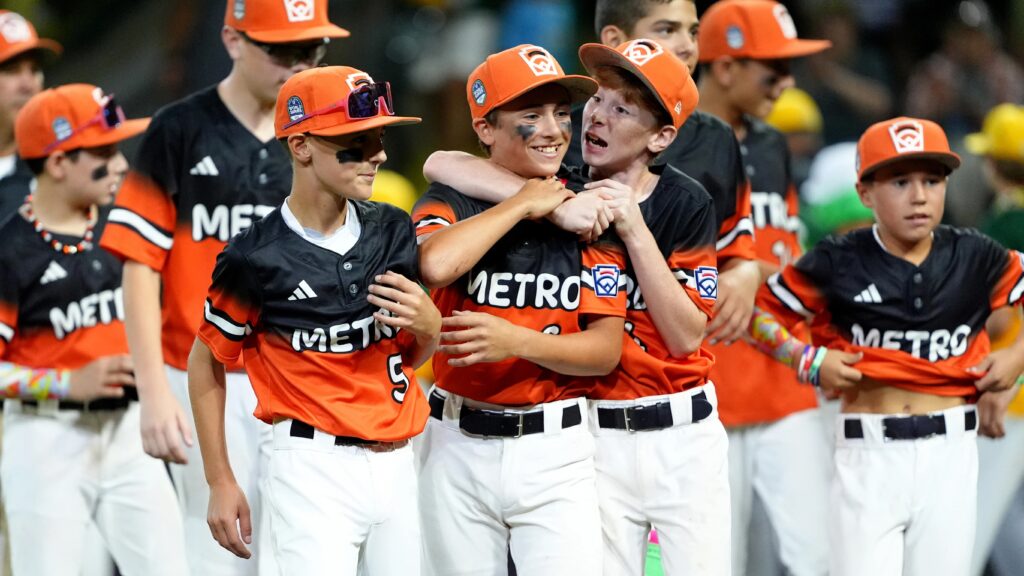
This wasn’t a story about cultural sensitivity training or forced inclusion. This was a story about kids being kids – finding joy in shared experience and naturally building bridges through the beautiful chaos of youth sports.
The Numbers Tell an Amazing Story
As someone who covers youth sports full-time, I pay attention to demographic trends, and the numbers here are fascinating. Latino players now represent nearly 30% of Little League participants nationwide, with Asian and other multicultural players adding another 15%. But “Vamos Papi” isn’t spreading because of quotas or mandates – it’s spreading because it works.
The practical benefits are real too. Sports psychology research shows that group chanting releases bonding hormones and increases team unity by significant percentages. For young athletes with developing attention spans, rhythmic group activities keep them locked into the game during those long stretches when they’re not actively playing.
But here’s what really matters: kids can smell manufactured team building from three dugouts away. “Vamos Papi” resonates because it emerged organically from genuine cultural expression, not from some consultant’s playbook about diversity and inclusion.
Why Sports Media Needs to Pay Better Attention
As professionals in this industry, we need to have an honest conversation about how badly we missed this story initially. While we were covering the usual suspects – recruiting scandals, parent drama, equipment controversies – a genuine cultural phenomenon was reshaping youth baseball right under our noses.
The “Vamos Papi” story teaches us something crucial about where to look for real stories. They’re not always in official press releases or sanctioned interviews. Sometimes they’re in dugouts, in the organic connections between kids from different backgrounds who just want to play ball and have an absolute blast doing it.
This chant represents something broader happening in American youth sports. Demographics are shifting, cultural boundaries are dissolving, and kids are naturally creating more inclusive environments than most adults could design with million-dollar consulting budgets.
Technology Meets Tradition in the Best Way
Here’s something that fascinates me about how “Vamos Papi” spread: it went viral through traditional youth sports networks before social media even caught wind of it. This is actually pretty rare in 2025, where most viral youth sports content starts online and filters down to actual fields.
“Vamos Papi” proves that authentic cultural moments still spread the old-fashioned way – through face-to-face interaction, shared experience, and genuine human connection.
When social media finally caught up, it absolutely exploded the reach. Now you can find compilation videos of “Vamos Papi” chants from Little League fields across America. Teams post their own versions, kids learn variations online, coaches share techniques – the whole beautiful cycle keeps growing.
Regional Flavors That Make It Even Better
Traveling nationwide to cover youth baseball tournaments, I’ve loved watching how different regions have made “Vamos Papi” their own while preserving its essence. West Coast teams blend it with their laid-back California energy. Midwest teams make it part of their intense, competitive dugout culture. Southern teams weave it into their traditional baseball pageantry.
But everywhere I go, the core remains unchanged – kids embracing something that originated in Latino communities and making it their own through genuine appreciation and respect.
I’ve watched coaches actively teach proper pronunciation to their players. I’ve seen kids practice the rhythm during batting practice. This isn’t casual cultural tourism; it’s sincere adoption of something that makes their team experience richer and more connected.
The Beautiful Cultural Impact
As someone who covers sports culture professionally, I usually try to avoid overstating the significance of trends. But “Vamos Papi” represents something genuinely important about how modern American culture works at its best.
This chant has broken down barriers without breaking down anyone. It’s created connections across ethnic, linguistic, and geographic lines through the simple shared desire to see your teammate succeed. In an era when cultural discussions often get heated and divisive, “Vamos Papi” offers something refreshing: natural, positive cultural exchange that makes everyone stronger.
The kids leading these chants aren’t thinking about diversity initiatives or inclusion mandates. They’re thinking about pumping up their teams and having maximum fun. But in doing so, they’re creating the kind of authentic multicultural experiences that policy makers spend fortunes trying to engineer.
What This Means for Baseball’s Future
From my perspective covering youth sports, “Vamos Papi” isn’t the end of this beautiful story – it’s just the beginning. This chant has opened doors for other cultural expressions to find their way into American youth baseball. I’ve started hearing influences from Korean baseball culture, Japanese celebration styles, even soccer-inspired rhythms adapted perfectly for diamond sports.
The success of “Vamos Papi” has shown coaches and league administrators that cultural diversity enhances rather than threatens baseball’s traditional appeal. It’s created space for authentic expression that makes the game more vibrant, more inclusive, and way more fun.
As these kids grow up and potentially coach their own teams someday, they’ll bring this multicultural sensibility with them. The future of youth baseball will be louder, more colorful, more connected, and more joyful than ever before.
The Real Story Here (And Why It Matters)
After covering youth sports for over a decade, I’ve learned that the best stories aren’t always the ones making headlines. Sometimes they’re the organic cultural moments that happen when kids from different backgrounds come together around their shared love of competition, camaraderie, and having an absolute blast.
“Vamos Papi” started as authentic cultural expression in Latino communities and became a nationwide phenomenon through the genuine enthusiasm of young baseball players. It proves that positive cultural change doesn’t need to be mandated or manufactured – sometimes it just needs space to grow naturally through shared joy and mutual respect.
As a journalist who initially missed this story, I’m reminded why we need to spend more time listening to the voices that matter most in youth sports – the kids themselves. They’re often way ahead of us adults in creating the inclusive, connected communities we claim to want.
The next time you hear “Vamos Papi” echoing from a Little League dugout – whether it’s in the Bronx or rural Iowa – remember that you’re witnessing something magical. You’re seeing American culture at its absolute best, where great ideas spread naturally and barriers dissolve through shared experience and genuine appreciation.
That’s the real power of sports, and that’s why stories like this matter more than any championship score or recruiting ranking. Baseball has always been America’s melting pot, and “Vamos Papi” proves that tradition is stronger and more beautiful than ever.
For more coverage of youth baseball culture and trends, visit Little League International and USA Baseball.